In 2000, I was already applying large, multi-layer neural networks to scientific data analysis, demonstrating that deep architectures could solve difficult inverse problems years before deep learning became mainstream.
Featured In
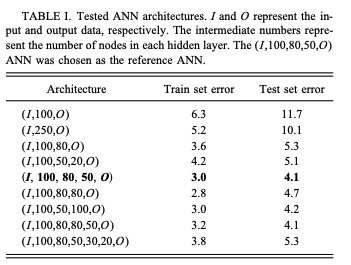
Long before the 2012 ImageNet moment made deep learning famous, my research explored large neural networks for real scientific measurement problems. In a 2000 paper on Rutherford backscattering data, we used networks with up to 10 layers and showed that they could deliver fast, accurate analysis for a difficult inverse problem.
The point was practical, not fashionable: after training, the network could recognize spectra almost instantly, opening a path toward automated online analysis and optimized experimental conditions.
View the 2000 Paper
| Architecture | Large neural networks, up to 10 layers |
|---|---|
| Domain | Rutherford backscattering spectra |
| Result | Fast recognition after training |
| Why it matters | Practical deep architectures before the mainstream wave |
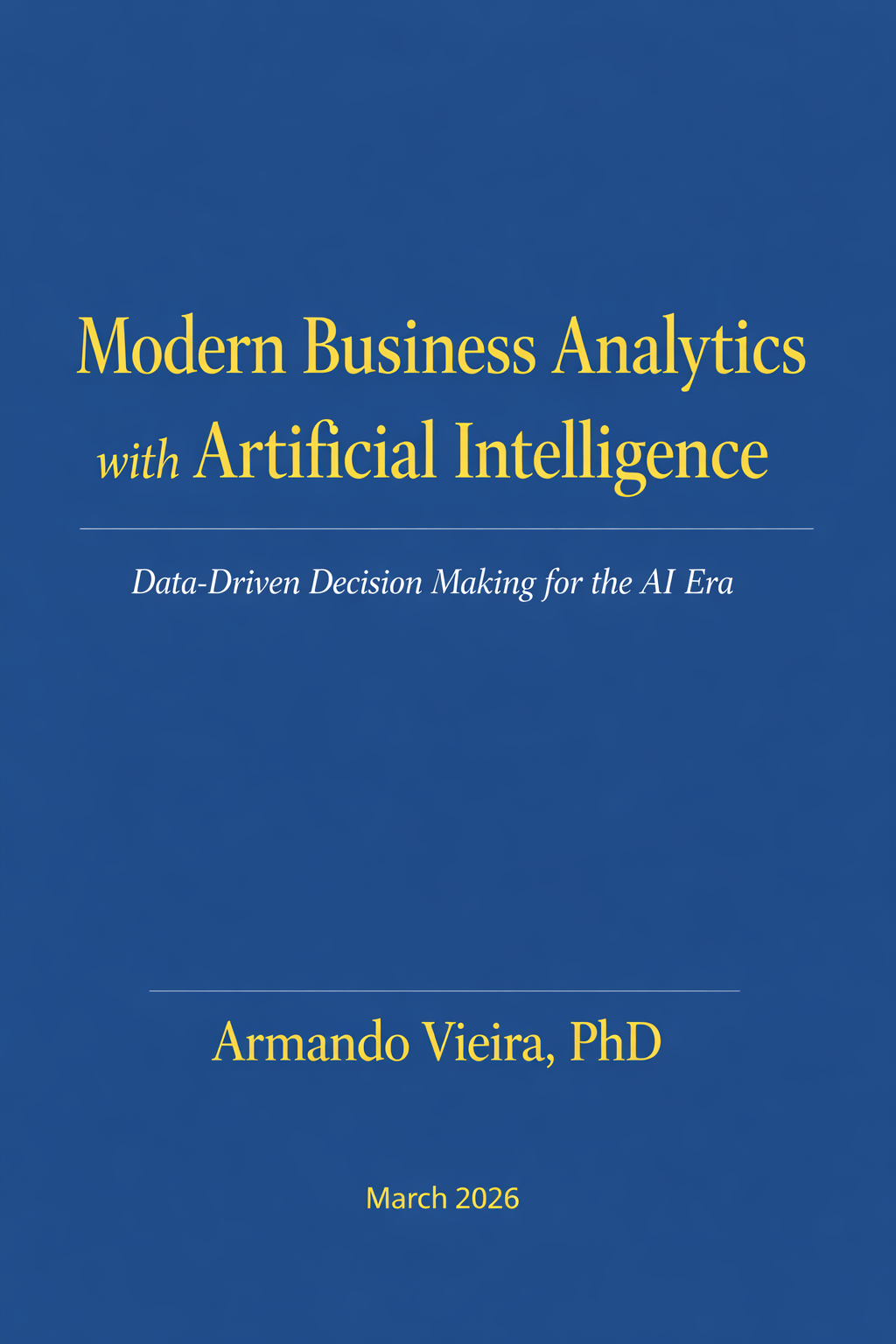
A practical guide for leveraging deep learning in enterprise settings, covering implementation strategies and real-world case studies.
View on Amazon →In 2000, we used large neural networks, including architectures up to 10 layers, for Rutherford backscattering data analysis, showing that deep architectures could solve real scientific inference problems years before the deep learning wave.
View 2000 Paper →Peer-reviewed research outputs focused on artificial intelligence methods, applications, and standards.
View Publications on Google Scholar →Long-form essays on AI strategy, governance, and societal impact.
What I teach my students about the future role of data analysts and scientists in the age of AI.
Read article →An argument for treating AI as infrastructure that redistributes power, incentives, and accountability.
Read article →Uma reflexão sobre responsabilidade, cultura e pensamento estratégico na era da automação.
Ler artigo →Lessons from Dr House about diagnostic reasoning, uncertainty, and AI.
Read more →How to use LLMs effectively in business analytics workflows.
Read more →Why alignment debates can become a category mistake in responsible AI.
Read more →Architectures, learning dynamics, and optimization methods for robust, scalable neural systems.
How AI reshapes labor, institutions, trust, and human decision-making across social systems.
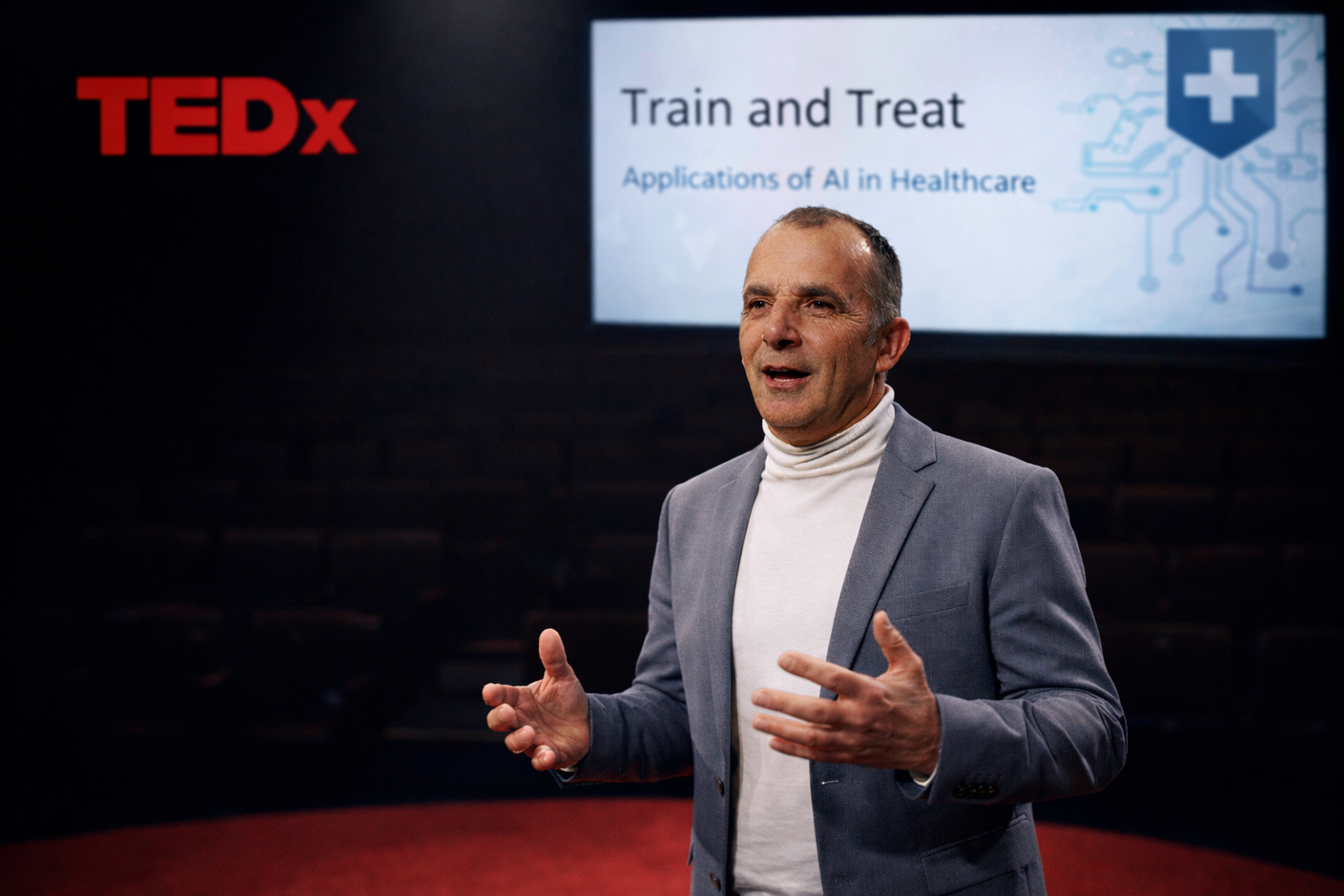
Using AI to accelerate discovery in physics, biology, medicine, and complex scientific modeling.
AI models are incredible but they lack consciousness. I have a solution for that.
Read article →Stories about intelligence, memory, responsibility, and what survives technological change.
A speculative story about continuity, loss, and the human meanings we try to preserve as machines become more capable.
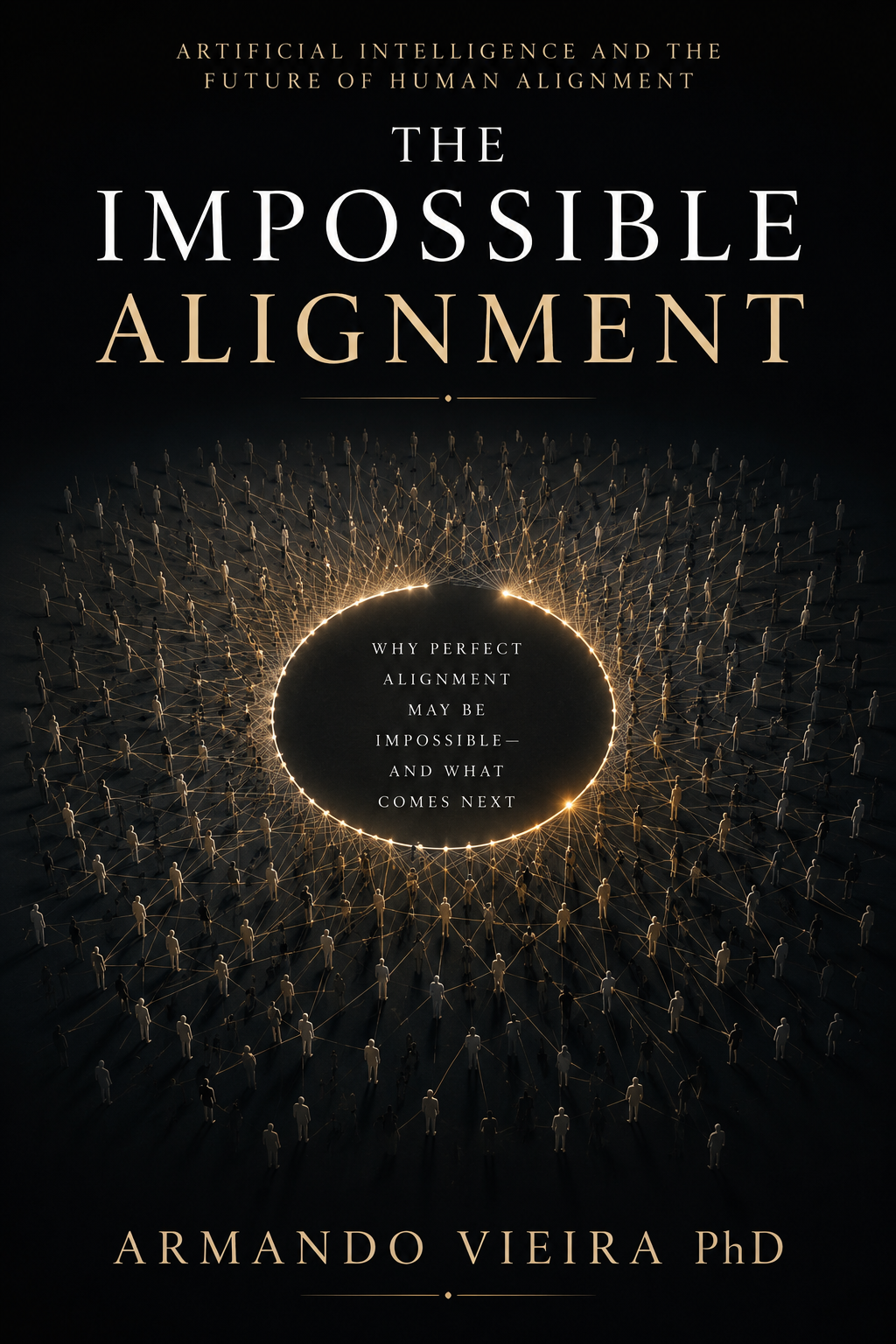
Read the Book
With a PhD in Physics and over 25 years of experience in artificial intelligence, I have dedicated my career to bridging the gap between cutting-edge research and practical business applications.
My journey began in academic research, where I published pioneering work on deep neural networks. Today, I help organizations navigate the AI revolution through strategic advisory, education, and implementation support.
As a member of the ISO AI Committee, I contribute to shaping international standards for artificial intelligence. I am also the co-founder of Medgical.ai, bringing AI innovation to healthcare.
Medgical is a Series A AI-powered clinical documentation platform that automatically generates medical notes and reports from consultation audio, reducing administrative burden for physicians, with more than 100k consultations.
Reach out directly via email or social channels.